.header-container, .body-container, .footer-container { max-width: 1080px; margin: 0 auto;

DELOACH BLOG

What Are The Differences Between Slat Tray Vs Random Pack Media?

Posted by Anthony DeLoach, President on Jun 27, 2017 4:44:39 PM

The first step is understanding the chemical analysis of the water you will treat.

Suppose this is an aeration process for iron (Fe) removal. In that case, it is vital to understand the water's concentration, pH, and alkalinity and the amount of calcium carbonate or other minerals present. Once you've determined that the water is suitable for the desired treatment process, you must choose equipment based on the water's volume and flow rate. Remember that water treatment equipment is not one-size-fits-all and is vitally important when selecting equipment to consider your water conditions.

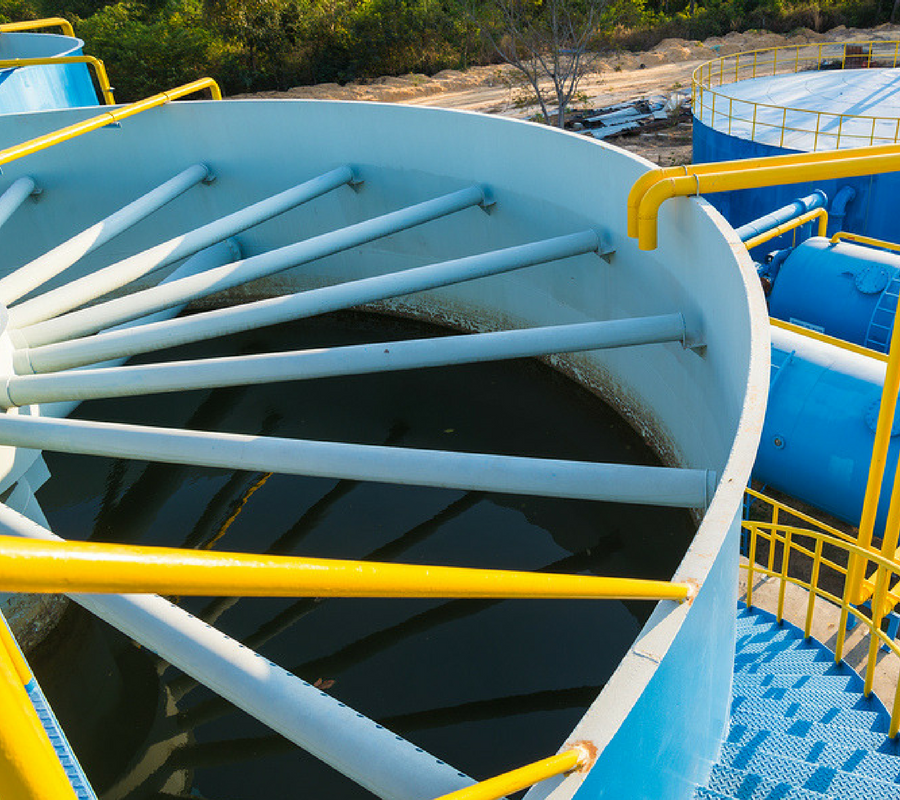
If a tower's internals is damaged due to the weight of random pack media or fouled water and airflow, the pack media will become completely clogged, and water flow will be blocked. This will result in an expensive shutdown and repair. It is advised that routine service cleanings are carried out under a service contract.

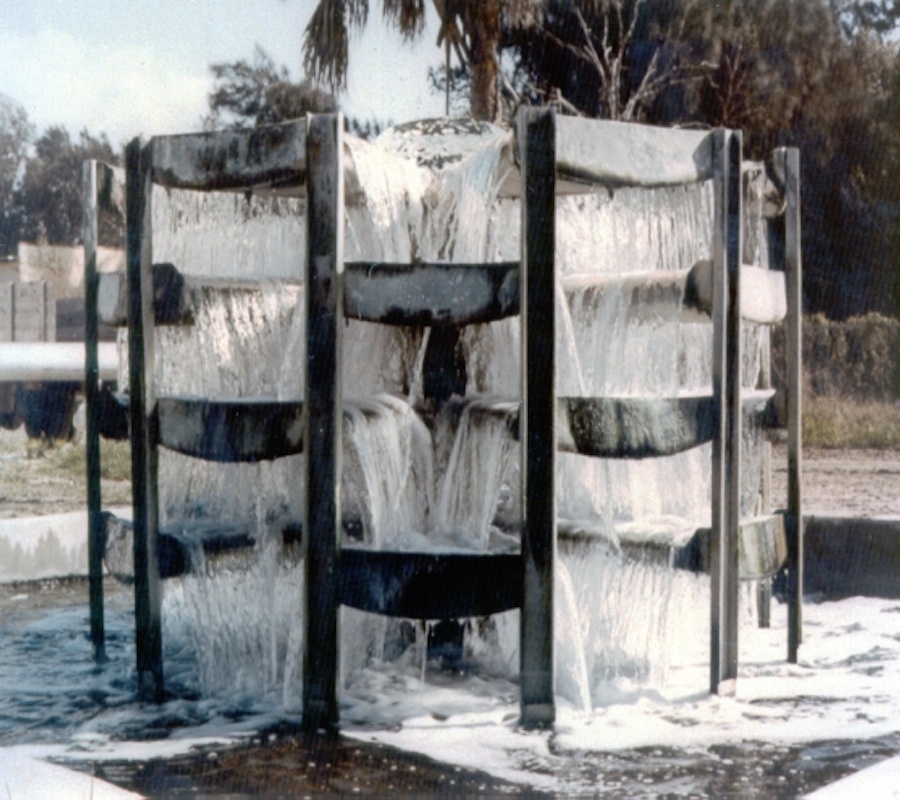
For heavy fouling conditions, a slat tray media selection can save you both downtime and costs. Slat trays provide an anti-fouling benefit based upon the design intended to “shed” particulate as it is formed. They still need to be cleaned in heavy conditions, but far less often, and cleaning is more manageable. The tower process application requires high removal efficiency, then loose fill media may be the only choice unless a pretreatment tower with slat trays is installed in front of the process. Each application must be evaluated on its merits and reviewed for potential fouling and anticipated operating cost.

If fouled completely, loose fill, random pack media will block water flow and air and can, in some circumstances, become so heavy that the weight can damage the internals of a tower. This will cause a shutdown and more expenses to remove and repair. Routine service cleanings under a service contract are highly recommended.

Read More

Topics: degasification, odor control, aeration, water treatment

Forced Draft Or Induced Draft Degasification Tower?

Posted by Anthony DeLoach, President on Jun 21, 2017 11:24:07 AM

Industrial water treatment systems play a crucial role in maintaining the quality and sustainability of water used in various industrial processes. One of the key challenges faced by industries is the presence of dissolved gases, particularly carbon dioxide (CO2), and corrosive gases like hydrogen sulfide (H2S) in the water. These gases can have detrimental effects on equipment, cause pH imbalances, and even compromise the overall efficiency of industrial processes.

Read More

Topics: water treatment issues, water quality, degasification, water treatment, decarbonator, degasifier, degassed water, Deagasification, decarbonation of water, DeLoach Industries, Inc., Drinking Water, DeLoach Industries, water process system

Don't Let Your Water Distribution System Fail You

Posted by Anthony DeLoach, President on Jun 19, 2017 1:25:45 PM

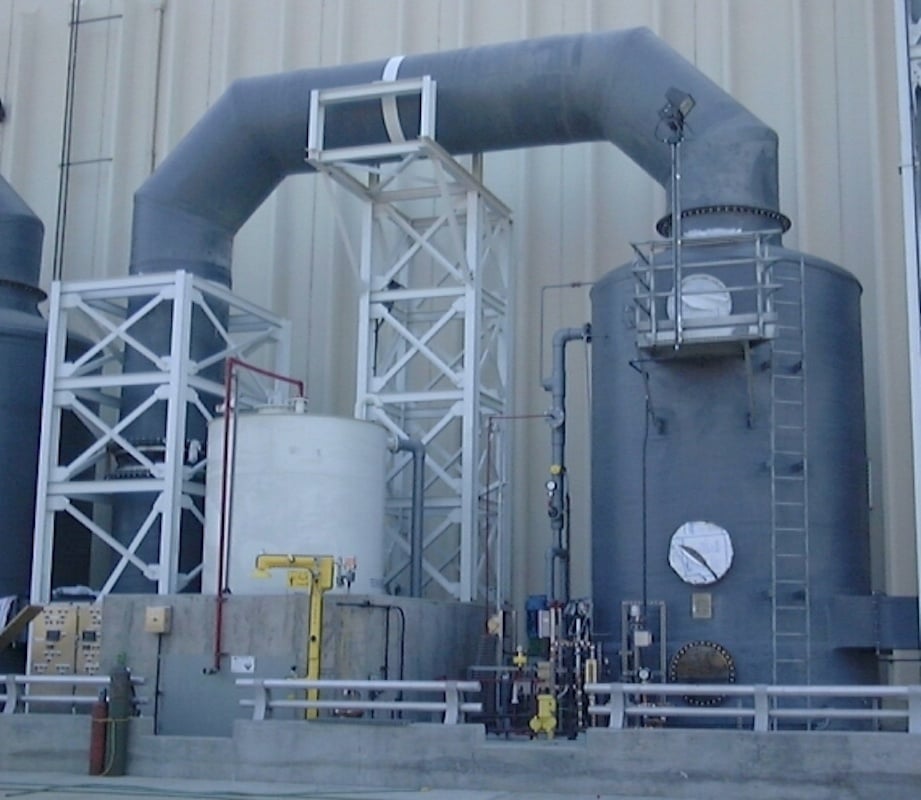
When operating a forced or induced draft water treatment tower system it is important to properly maintain your distribution system.

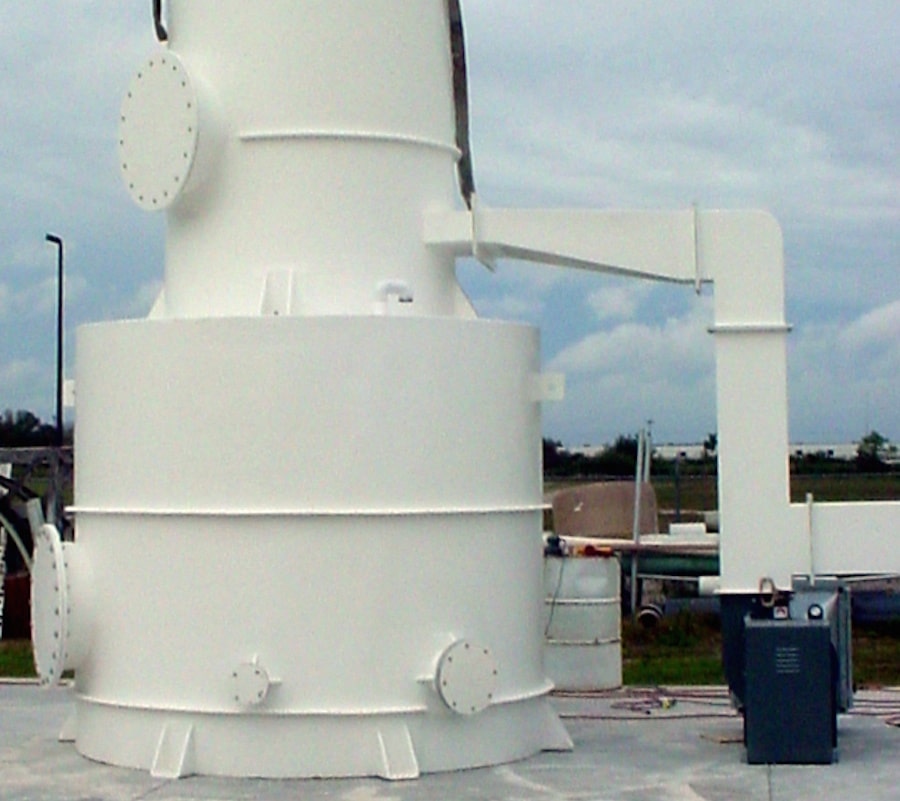
The distribution system is a fundamental component for any type of unit: an Aerator, Degasifier, Scrubber, or Air Stripper. It must be designed and constructed with precision and accuracy. This will ensure its optimal performance throughout its lifetime.

It is essential that the distribution system undergo regular and thorough maintenance. This will ensure it can do its job effectively.

Maintenance should include cleaning and inspecting pipes and connections. Additionally, worn or damaged parts should be replaced or repaired. Lastly, test the entire system to ensure proper functioning.

Regular maintenance is essential. It helps to prevent costly breakdowns or failures. Additionally, it minimizes disruptions to the distribution system.

Regular maintenance helps the distribution system run efficiently. This leads to better, more reliable service for customers.

The key role of the distribution system is to properly distribute the water flow over the media bed. If the distribution system is designed incorrectly then water will not be properly distributed which can cause multiple problems.

The distributor can be damaged or fouled. When this happens, the water pattern is changed. This affects the flow rate across the media bed. This can lead to low or high hydraulic flood conditions in the media bed.It is important to inspect the distribution system within 30 days of the initial startup of a system. Then decide, based upon application, if the future inspections can be extended to 90 or 180 days.

Iron oxidation and H2S require more frequent cleaning of the distribution system than a degasifier used for CO2 removal. This is because they are more corrosive.

Read More

Topics: water treatment issues, water treatment, water distribution system, Aerator

Why an Aerator Is The Most Cost Effective Way To Oxidize Iron

Posted by Anthony DeLoach, President on Jun 14, 2017 2:36:50 PM


"Oxidation" refers to electron loss from a reducing agent. It is common to say that "the process has been oxidized."

]Electrons carry negative charges, and the oxidation process leads to an increase in positive valence.

During oxidation, the number of electrons orbiting an element decreases, causing the element to form bonds with oxygen when oxygen is present. Oxygen is naturally attracted to electrons.

Iron can exist in various forms in water, with the most prevalent being ferrous bicarbonate (C2H4FeO6), which is soluble.

Ferrous iron possesses a positive two valence. As ferrous iron undergoes oxidation, the number of electrons decreases, resulting in the development of a positive three valence known as ferric hydroxide: Fe(OH)3.

The most cost-effective method of oxidizing iron in water is thorough aeration using an "aeration tower." The aerator is very similar to a degasification tower or air stripper as it utilizes either forced draft or induced draft air movement to create the enriched oxygen environment needed.

Read More

Topics: aeration, iron oxidation, water treatment, Ferrous Iron, iron in water, dissolved oxygen, iron present, oxygen environment, iron and oxygen bond, water molecules, oxidize

Utilizing Decarbonation to Lower CO2 Levels & Raise pH

Posted by Anthony DeLoach, President on May 18, 2017 1:05:24 PM

CO2 & pH In municipal and industrial water processes

Carbon Dioxide (CO2) in municipal and Industrial water can create problems in the water treatment process, increase operational costs of the treatment plant, and cause excessive corrosion to equipment and ancillary equipment.

In nature, one of the most natural common causes that create low pH or acidity in water is an element known as “Carbon Dioxide” (CO2).  The process of how carbon dioxide enters the water in the first place is a topic worth exploring.  Nature creates one of the most common causes of CO2 found in the water naturally. When the water reaches an equilibrium with our atmosphere followed by the biological degradation that is aided by the photosynthesis of organic carbon (CH2O) then carbon dioxide begins to form. Organic carbon is dissolved in water and it forms “Carbonic Acid”

(H2CO3).  CO2 (g) + H2(l) = H2CO3 (aq). 

The process to form the carbonic acid is slow and only a small portion remains as an acid because proton losses occur during the process.

H2CO3 (aq) « H+ (aq) + HCO3- (aq)

CO3- (aq) « H+ (aq) + CO32- (aq)

Read More

Topics: water treatment issues, water quality, degasification, pH levels of water, water treatment, water plant, pH levels, caustic, Decarbonation, wastewater, carbon dioxide, decarbonator, gases, carbonic acid, H2S Degasifier, Co2 ph

Subscribe to our blog

Recent Posts